Player development
How to Prepare for Soccer Tryouts: A Player and Parent Checklist
Prepare for soccer tryouts with a practical player and parent checklist: what to bring, how to approach the session, and what to do afterward.
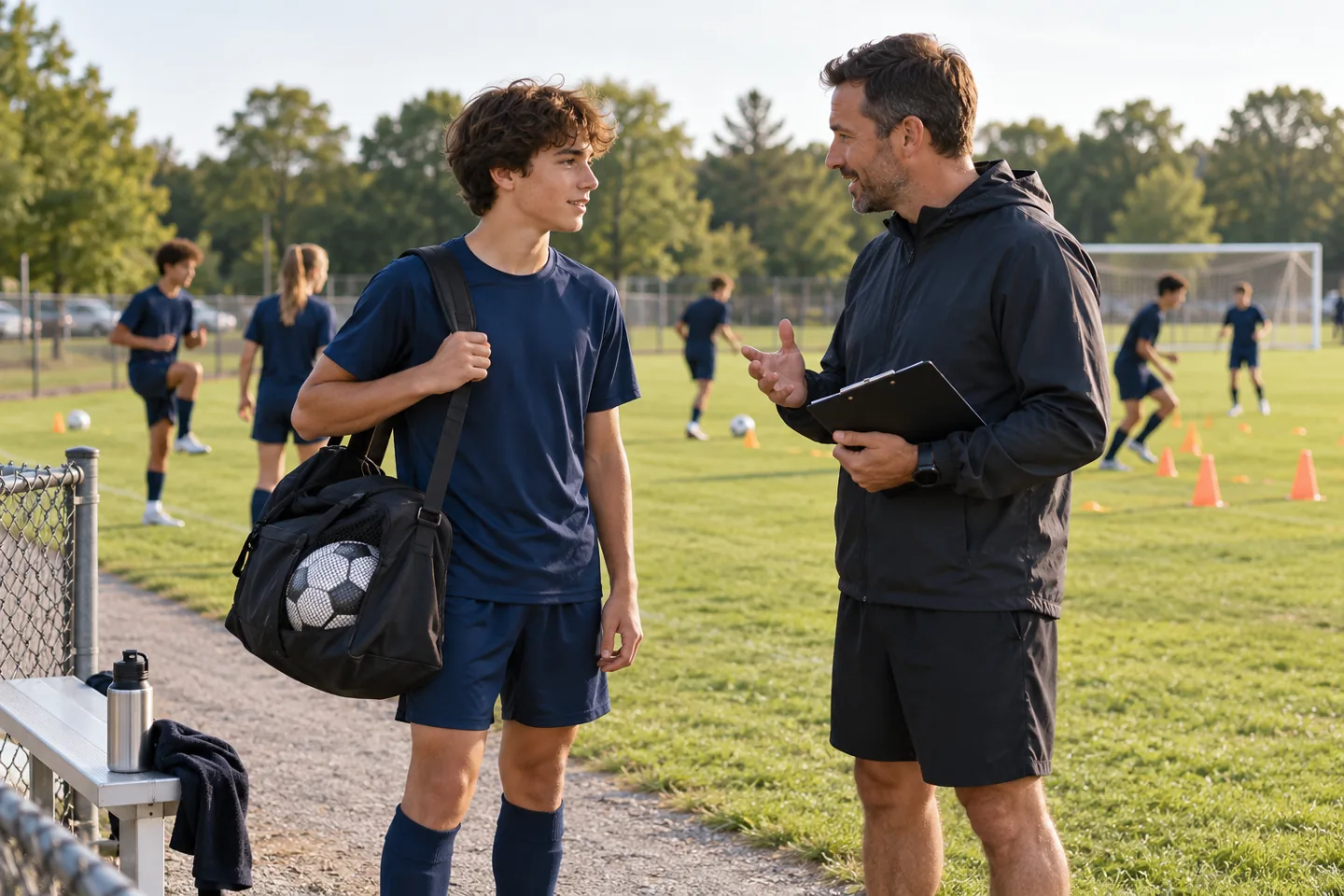
Preparing for soccer tryouts starts before you step onto the field. Confirm the details, organize your equipment, and choose a few clear actions you can control during the session.
You do not need to invent a new playing style for one evaluation. A useful approach is to arrive prepared, understand the activities, and give coaches an accurate picture of how you play and learn.
This soccer tryout checklist covers the days before the session, what to bring, how to approach the activities, and what to do afterward.
Confirm the tryout details first
Read the club’s official instructions rather than relying on an old social post or a forwarded message. Before making plans, check:
- The eligible age group and any participation requirements.
- The date, arrival time, field address, and check-in location.
- Whether advance registration, documents, or a fee are required.
- The playing surface and permitted footwear.
- Whether there are multiple evaluation sessions.
- How weather updates and selection decisions will be communicated.
If something is unclear, contact the organizer through its official website. A listing can help you discover a tryout, but the organizer controls registration, availability, and the selection process.
Explore Soccer Network Hub’s tryout opportunities and confirm any listing directly with the club. If none are available in your area, broaden the location filter or check nearby clubs’ official pages.
In the days before a soccer tryout
Keep preparation familiar and purposeful. Use normal training activities to work on a few basics you expect to use in games: receiving, passing, moving into space, and recognizing pressure.
Choose a small focus that fits your position. A midfielder might concentrate on looking before receiving. A defender might focus on adjusting position as the ball moves. A goalkeeper might review communication and distribution choices with their coach.
Avoid treating the final few days as a race to learn every skill. Ask your current coach for one useful reminder about your game, then bring that reminder into the session.
For structured preparation, the Passionate Soccer Coach resource library includes a Tryout Preparation Guide, a Parent’s Guide to Soccer Tryouts, and an Individual Development Plan.
What to bring to soccer tryouts
Follow the organizer’s equipment list first. Use this starting checklist to pack ahead of time:
- Footwear permitted for the field or indoor surface.
- Shin guards and appropriate soccer clothing.
- Water and any personal items you normally need for a session.
- A light shirt and a dark shirt if requested.
- A ball if the organizer asks players to bring one.
- Required registration information or identification.
- Weather-appropriate layers and a bag for your belongings.
Check that your equipment is familiar and ready to use. Trying a new pair of boots for the first time during an evaluation can create an avoidable distraction.
At check-in: understand the session
Arrive by the organizer’s requested time. Check in, learn where to place your bag, and listen for instructions about groups, shirt numbers, and the session format.
When you meet a coach, introduce yourself briefly and answer questions accurately. If an instruction is unclear, ask a short question at an appropriate moment rather than guessing throughout an activity.
Parents can help with logistics while giving the player space to participate. Confirm where spectators should stand and follow the club’s sideline expectations.
During the tryout: focus on actions you control
Evaluation criteria vary between clubs and roles. These habits can help you take part clearly and purposefully, but they are not a universal selection formula.
Look before receiving
Check your surroundings for pressure, space, and teammates when the situation allows. Use that information to decide whether to turn, protect the ball, pass, or move it away from pressure.
Make a useful decision
You do not have to attempt a difficult dribble every time you receive. Choose an action that fits the situation. A simple pass followed by good movement can help the team as much as a more eye-catching action.
Keep contributing without the ball
Offer a passing option, recover into position, support a teammate, and stay involved when play moves away from you. Your responsibilities do not stop after your last touch.
Communicate clearly
Use short, helpful messages when they give teammates useful information. Listen to others as well. Avoid constant shouting or criticizing unfamiliar players.
Apply feedback
If a coach asks you to change something, try to show that adjustment in the next relevant situation. You can demonstrate a willingness to learn without pretending to understand an instruction you need clarified.
How to respond after a mistake
A missed pass or lost duel can feel bigger during a tryout. Give yourself one brief reset, then choose the next useful action: recover, support, communicate, or find your position.
For example, after losing possession, focus on the team’s next defensive need instead of stopping to explain the error. Save a longer reflection for after the session.
Do not assume one mistake explains the eventual selection decision. Clubs may consider several sessions, roster needs, and criteria that are not visible from the sideline.
Parents: keep the conversation useful
Before the session, ask your child what they want to focus on. A simple answer such as “I want to keep moving after I pass” gives them a manageable purpose.
Afterward, let the player describe the experience before adding your assessment. Try:
- What felt comfortable today?
- Which part challenged you?
- What would you like to work on before the next session?
Avoid comparing your child with every other player or treating an offer as the only sign of progress. Keep questions about logistics and selection timelines for the club’s designated contact process.
Use a player profile to organize your next steps
A short player record can help you organize your position, playing background, and current goals before a tryout conversation. It is useful even when no one asks you to submit it.
Read how to create a soccer player profile for a practical checklist and sample bio. If an organizer asks for footage, follow its instructions and use our soccer highlight video tips to choose clear examples.
You can record your background and development focus in a private Prospect XI profile. Profiles are currently visible only to their account owner; player discovery and recruiter messaging are not available. Creating a profile does not submit a tryout application or guarantee selection.
After the tryout: reflect, then follow instructions
Write down one action you were pleased with, one situation to improve, and one question to discuss with your coach. Turn the reflection into a specific next step rather than a general judgment about your ability.
For example: “I found space to receive, but I sometimes took my first touch toward pressure. In our next passing session, I will focus on recognizing which direction gives me more time.”
Follow the club’s stated decision timeline and contact process. If you receive an offer, ask about the full schedule, costs, coaching approach, and expectations before deciding. If you do not receive an offer, ask whether feedback is available and use it alongside your ongoing development plan.
Frequently asked questions
How early should I arrive for soccer tryouts?
Use the arrival time in the organizer’s instructions. Allow enough travel time for parking, check-in, and preparation without assuming that early arrival gives access to the field.
Do I need a highlight video for youth soccer tryouts?
Only submit one if the organizer requests or accepts it. Check its requirements rather than assuming video is necessary for every evaluation.
What should I do if I make a mistake?
Reset and return to the game. Choose the next useful action instead of letting one moment take your attention away from the session.
Can a player profile replace tryout registration?
No. Complete the organizer’s official registration process. A player profile is a separate record of your background and goals.
Arrive with a plan you can use
Confirm the details, pack what you need, and choose one or two actions to focus on. Take part, listen, and use the experience to identify your next development step.
Explore current tryout listings or visit Prospect XI’s development resources to organize your preparation.